 by
by When was the last time you thought about your roof on a sunny day?
If you’re like most homeowners, the answer is never. Infrastructure quietly does its job – until it doesn’t.
And in places like Cheyenne, Wyoming, where the weather can swing from hail to deep freeze in a week, ignoring the basics isn’t just risky. It’s expensive.
Guide to Preventive Infrastructure Planning
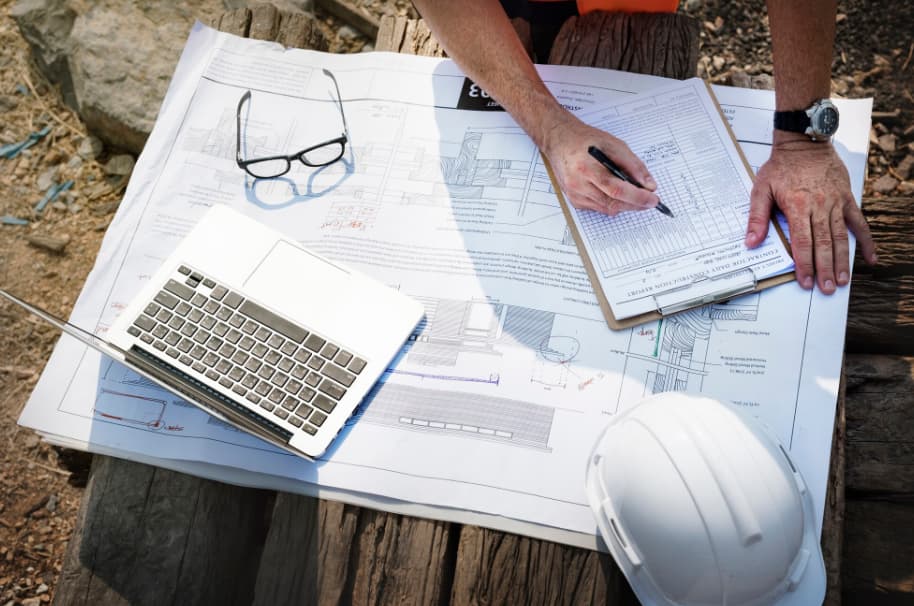
In this blog, we will share why preventive infrastructure planning matters now more than ever and how homeowners can get ahead of costly repairs.
Why Waiting Costs More Than Planning?
A slow leak is polite until it isn’t. A clogged gutter doesn’t seem urgent until it soaks into your drywall.
Preventable infrastructure issues don’t make headlines, but they quietly become the most expensive line items in your budget when left unchecked.
Instead of fixing damage after it happens, more homeowners are embracing proactive care. It’s not just about being prepared.
It’s about being practical. Early inspections and upgrades are often less expensive, easier to schedule, and give you more control over how repairs happen.
Compare that to scrambling for help after a storm, when contractors are booked solid and urgency limits your options.
Homeowners in areas with dramatic weather swings, like Cheyenne, know this well. The difference between a small fix and a major overhaul often comes down to timing.
For those looking for reliable roofing companies Cheyenne doesn’t disappoint—but calling them before the snow hits or the winds arrive is what separates the calm from the chaos.
The same goes for plumbing, HVAC, insulation, and foundation work. Prevention keeps small problems from becoming full-blown disasters.
What Preventive Planning Actually Looks Like?
It’s easy to say, “Just stay on top of things.” But what does that actually mean when you’re juggling work, family, bills, and maybe a dog who just chewed through his leash?
First, think seasonally. Every shift in the weather brings different pressures to your home. Spring is ideal for checking foundations, basement moisture, and drainage paths.
Summer is when you assess HVAC systems, attic ventilation, and potential fire hazards.
Fall is the time for roof inspections, gutter cleaning, and sealing up windows. Winter requires awareness of insulation, pipe vulnerability, and snow load risk.
Make a checklist. Include everything from the age of your water heater to the date of your last electrical panel inspection. Create recurring reminders on your phone or calendar.
That one hour you spend reviewing a system could save you weeks of hassle and thousands of dollars in damage.
And don’t do it alone. The goal isn’t to become a part-time contractor—it’s to know who to call before you need them.
Build a relationship with licensed professionals who understand your region’s specific challenges. A good local electrician or roofer can tell you what usually goes wrong in homes like yours and when.
Know the Systems That Matter Most
Some parts of your home are more vulnerable than others, and they often carry the highest risk when neglected.
Start with these:
- Roofing: Shingles age faster than you think, especially with strong sun, hail, or high winds. Even one loose shingle can allow moisture to creep in, weakening beams or soaking insulation.
- HVAC: Heating and cooling systems strain under extreme temperatures. Filters clog, coolant leaks, and dirty coils can force your system to overwork itself—and your energy bill.
- Plumbing: Corrosion, slow leaks, and outdated piping can turn into floor damage, mold, or a full-blown burst pipe. Preventive flushing, pressure tests, and camera inspections are worth the time.
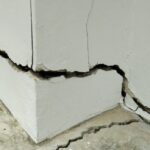
- Foundation and Drainage: If water doesn’t flow away from your home properly, it finds its way in. Cracks grow, soil shifts, and basements pay the price. Downspouts, grading, and sealants all need regular checking.
- Electrical: Panels, outlets, and wiring all need to be up to code. Especially in older homes, an outdated system can become a fire risk or limit what appliances your home can safely handle.
Every system is connected. When one goes down, others are affected. A failed sump pump can compromise your foundation. Poor insulation makes your HVAC system work harder. Knowing how these systems support each other helps you plan smarter.
Budgeting for What You Can’t See
Preventive planning isn’t free—but it’s far cheaper than emergency response. Think of it like insurance with a return.
Instead of throwing money at a crisis, you’re making small, steady investments in your home’s resilience.
Set aside a home maintenance fund. Experts recommend 1 to 3 percent of your home’s value per year. For a $300,000 house, that’s $3,000 to $9,000 annually.
That might sound high, but consider that a single roof replacement can cost that much on its own. An HVAC failure could cost more.
Budgeting this way gives you power. You’re not waiting for damage to force your hand.
You’re making informed, strategic decisions that preserve your home’s value, protect your time, and lower your stress.
And as more cities face unpredictable weather, insurance companies are also tightening coverage.
Homes with clear records of maintenance and upgrades may even qualify for lower premiums or fewer restrictions.
Why This Moment Matters More Than Ever?
We’re living through a period of transformation in how people think about their homes.
Climate change is making the weather more intense and less predictable. Labor shortages are stretching contractor wait times. Material costs are fluctuating wildly.
In this context, treating home infrastructure as an afterthought is a risky game.
What used to be a nuisance – like waiting a week for a plumber—can now mean waiting a month or more during peak demand. The longer you wait, the narrower your choices.
At the same time, technology is making it easier to track home systems, schedule reminders, and connect with vetted professionals.
Smart thermostats can alert you to HVAC issues. Leak sensors catch drips before they become floods. There’s no excuse for going dark on your infrastructure anymore.
More than a to-do list, preventive planning is peace of mind. It’s the quiet confidence that comes from knowing your home is ready—not just for the nice days, but for the rough ones too.
Because when the storm does hit, you won’t be scrambling for help. You’ll be sleeping through the night, dry, warm, and one step ahead.
Also Check: