 by
by Have you ever looked at your yard and wondered where all that stuff came from?
Garden tools lean against the fence. Bicycles crowd the driveway. Holiday decorations sit in plastic bins near the garage. The space feels cluttered even when the house looks beautiful.
In Dahlonega, GA, where outdoor living is part of daily life, that clutter becomes more noticeable.
Warm evenings invite neighbors outside. Front porches and lawns become social spaces. No one wants a stack of lawn equipment stealing the spotlight.
Outdoor storage solves practical problems. It protects belongings from the weather. It frees up interior space.
Yet poorly planned solutions can damage curb appeal instantly. A bulky shed placed without thought can overpower landscaping.
Modern homeowners face this tension often. Social media showcases picture-perfect exteriors. Real life still requires ladders, hoses, and seasonal décor. Balance becomes essential.
For anyone unfamiliar with exterior upgrades, the goal is simple. Add function without disrupting visual harmony. Make storage blend in rather than stand out.
How to Add Outdoor Storage Without Sacrificing Curb Appeal?
In this blog, we will share creative strategies to add outdoor storage that protects your belongings, enhances organization, and preserves the visual charm of your home’s exterior.
Start With Smart Planning and Space Evaluation
Before building anything, examine how outdoor space is used daily. Where do items collect naturally? Which corners stay unused? Clear answers guide smart design.
Think of the yard like a living room. Furniture placement matters. Flow matters. Storage should support movement, not block it.
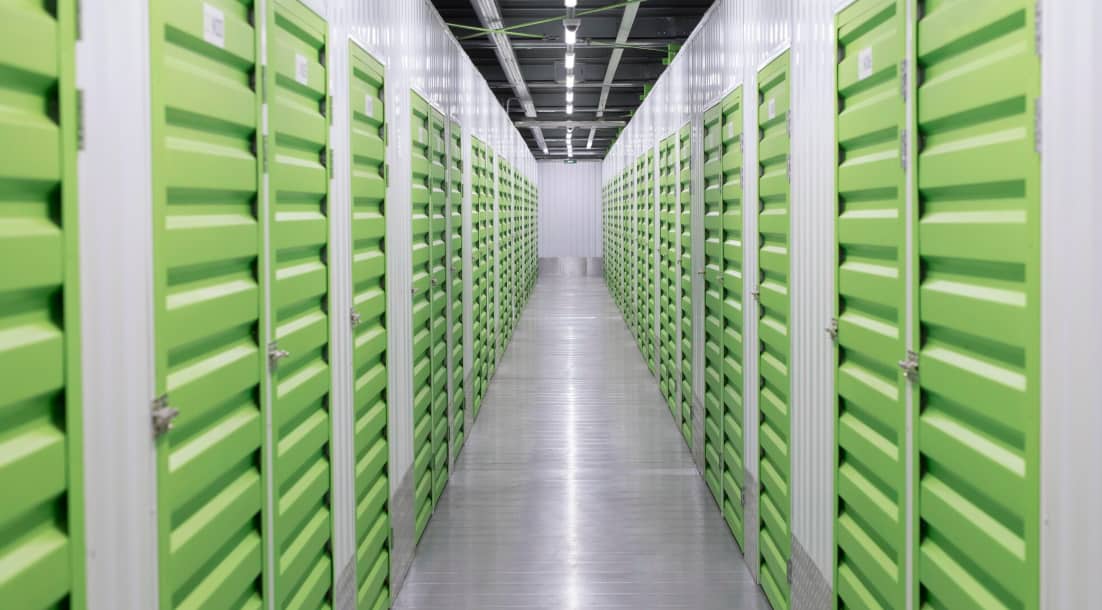
Temporary solutions can also help during planning. To solve issues related to storage Dahlonega residents can check out facilities that offer secure units for seasonal overflow.
This allows homeowners to declutter yards before installing permanent outdoor structures. Clearing space first reveals true layout possibilities.
Once clutter is reduced, structural additions can feel intentional. A well-placed shed near a fence line feels integrated. A poorly positioned one disrupts symmetry.
Planning reduces regret. It turns storage into a design feature instead of an afterthought.
Choose Materials That Match the Home
Curb appeal depends on cohesion. Outdoor storage should echo the home’s style and color palette.
A sleek modern home pairs well with minimalist storage structures.
A farmhouse exterior may suit wood finishes and traditional lines. Material choice makes a dramatic difference.
Metal sheds painted to match the siding blend more easily. Wood structures can mirror trim details. Even roof angles can align with the main house.
Home improvement trends show rising interest in unified exterior design. Buyers increasingly value consistency.
Random additions lower the visual appeal. Matching hardware and finishes strengthens cohesion. Small details create big impressions.
When storage looks intentional, neighbors see design rather than clutter.
Use Landscaping as a Visual Shield
Plants can transform how outdoor storage appears. Strategic landscaping softens hard edges and blends structures into surroundings.
Tall shrubs can partially screen a shed. Climbing vines add texture to blank walls. Decorative grasses create subtle barriers.
Layered plantings guide the eye naturally. They make storage feel tucked away without hiding it completely.
Recent gardening trends emphasize native plants and low-maintenance landscaping.
These options pair well with storage integration. They enhance beauty while supporting sustainability.
Outdoor lighting also shapes perception. Soft lighting near storage areas prevents dark corners. It adds safety and visual balance.
Landscaping turns utility into artistry.
Maximize Vertical and Hidden Solutions
Not all storage requires a standalone shed. Vertical and hidden solutions maintain open yard space.
Wall-mounted cabinets inside carports reduce visible clutter. Built-in bench seating with lift-up lids conceals tools. Deck boxes can double as outdoor seating.
Pergolas can include discreet overhead racks. Privacy screens can hide slim storage units behind them. These ideas maintain visual openness.
Tiny home trends and urban living have inspired creative space use. Homeowners now think vertically and strategically. Efficiency has become stylish.
Using vertical space preserves lawns and patios. It prevents crowding. It keeps attention on landscaping and architecture.
Hidden storage feels almost invisible. That invisibility protects curb appeal naturally.
Consider Size and Proportion Carefully
Bigger does not always mean better. Oversized sheds overwhelm smaller lots. Proportion matters deeply.
Measure available space before selecting a structure. Leave room for pathways and sightlines. Storage should complement scale, not dominate it.
Zoning regulations may also influence placement. Local guidelines sometimes restrict size or location. Checking requirements prevents costly adjustments later.
Proportional design feels balanced. Balanced spaces appear more inviting.
When storage fits comfortably within its environment, the yard feels intentional rather than crowded.
Keep Maintenance in Mind
Outdoor storage must endure sun, rain, and wind. Durable materials reduce upkeep. Proper sealing prevents moisture damage.
Regular cleaning preserves appearance. Fresh paint or stain maintains cohesion with the home exterior.
Ignoring maintenance quickly erodes curb appeal. Peeling paint and warped panels draw attention for the wrong reasons.
Recent weather patterns have brought heavier rainfall and stronger winds to many regions. Selecting weather-resistant materials protects investment.
Maintenance supports longevity. Longevity supports design integrity.
Blend Practicality With Personal Style
Outdoor storage does not need to look boring. Decorative hardware, window boxes, and matching trim elevate simple structures.
Color coordination enhances visual flow. Neutral tones often blend best. Accent colors can highlight architectural features.
Personal touches create charm without clutter. A small pathway leading to a shed feels intentional. A decorative fence adds privacy and style.
Homeowners increasingly treat exteriors as extensions of living space. Outdoor kitchens, patios, and gardens receive design attention. Storage should align with that mindset.
When practicality meets personality, curb appeal thrives.
Conclusion:
Adding outdoor storage without sacrificing curb appeal requires planning and balance. Clear clutter first. Match materials thoughtfully. Use landscaping creatively. Scale structures appropriately. Maintain them regularly.
The big takeaway remains clear. Storage should support lifestyle while enhancing visual harmony. It should solve problems quietly rather than create new ones.
Take a fresh look at your yard. Identify where clutter disrupts beauty. Consider how integrated solutions can improve both organization and appearance.
With thoughtful design, outdoor storage can protect belongings, elevate aesthetics, and transform the yard into a space that feels both functional and inviting.